How to Make Buttercream (the complete guide)
By Jessie
Updated: February 5, 2026
Rate This Recipe
By: Jessie
Updated: February 5, 2026
Rate This Recipe:
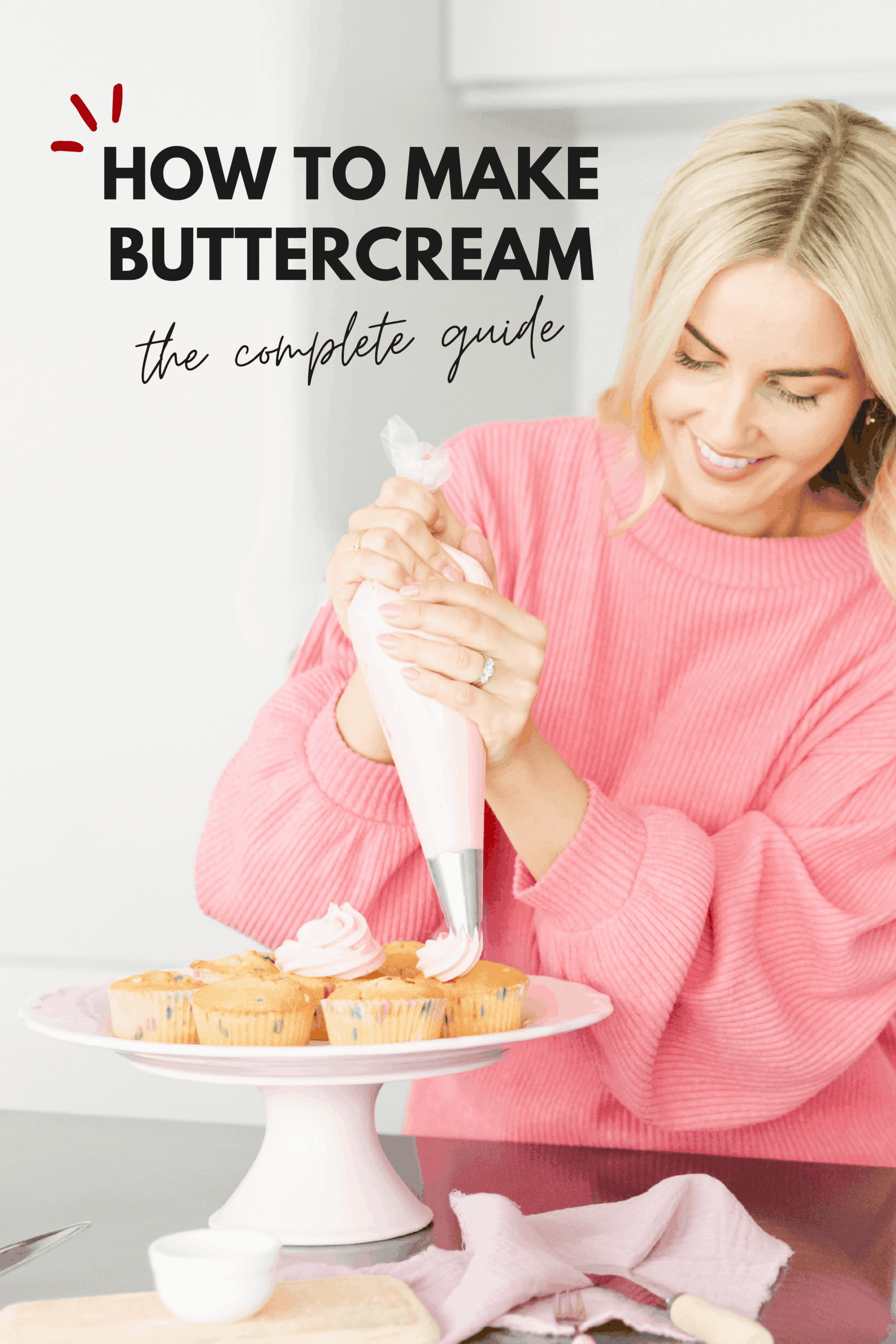
In this guide, I’ll walk you through how to make the best buttercream from scratch. Buttercream is one of those baking basics that every home baker ends up coming back to. It’s simple to make, endlessly customisable and incredibly forgiving. Whether you’re icing a cake, piping cupcakes or sandwiching sponge layers together, a good buttercream makes all the difference. Let’s get started!
What Is Buttercream?
Buttercream is a smooth, creamy icing made mainly from butter and sugar. In the UK, we usually call it buttercream icing, while in US recipes you’ll often see it referred to as buttercream frosting. The ingredients and method are generally the same, it’s just a difference in wording.
It’s one of the most versatile icings you can make and is used to fill cakes, coat them, pipe decorations and top cupcakes. If you bake regularly, buttercream quickly becomes a go-to.
What consistency should buttercream be?
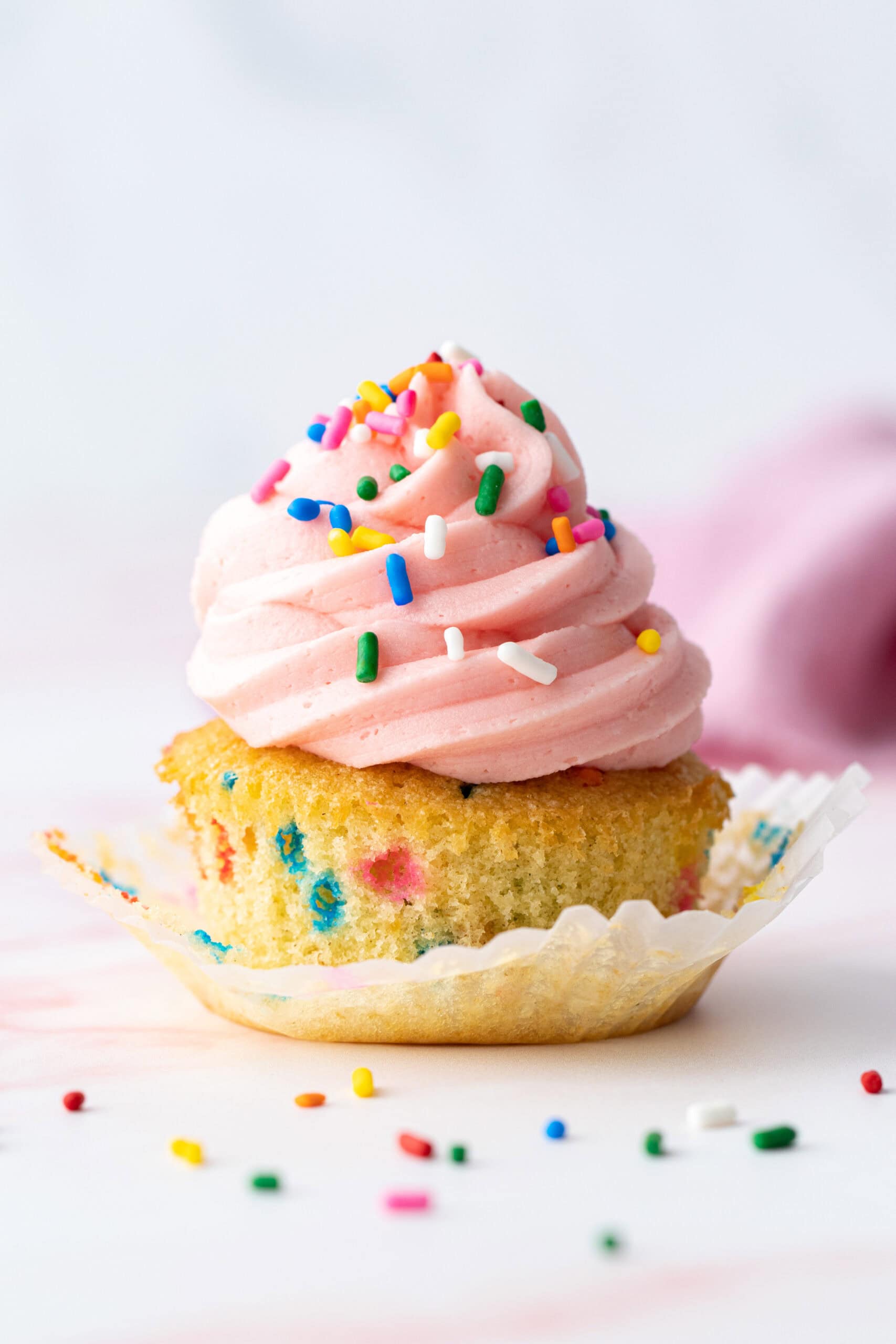
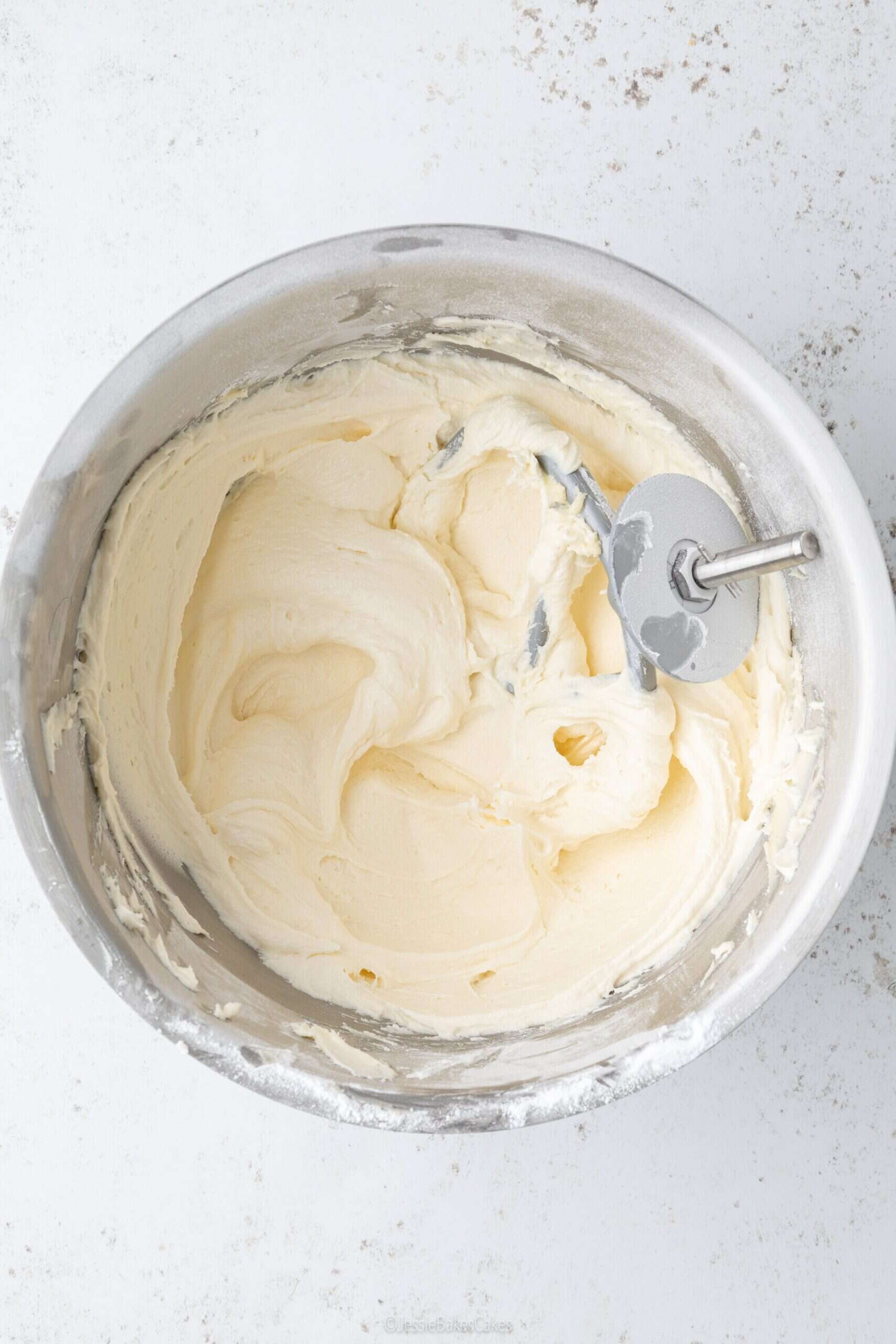
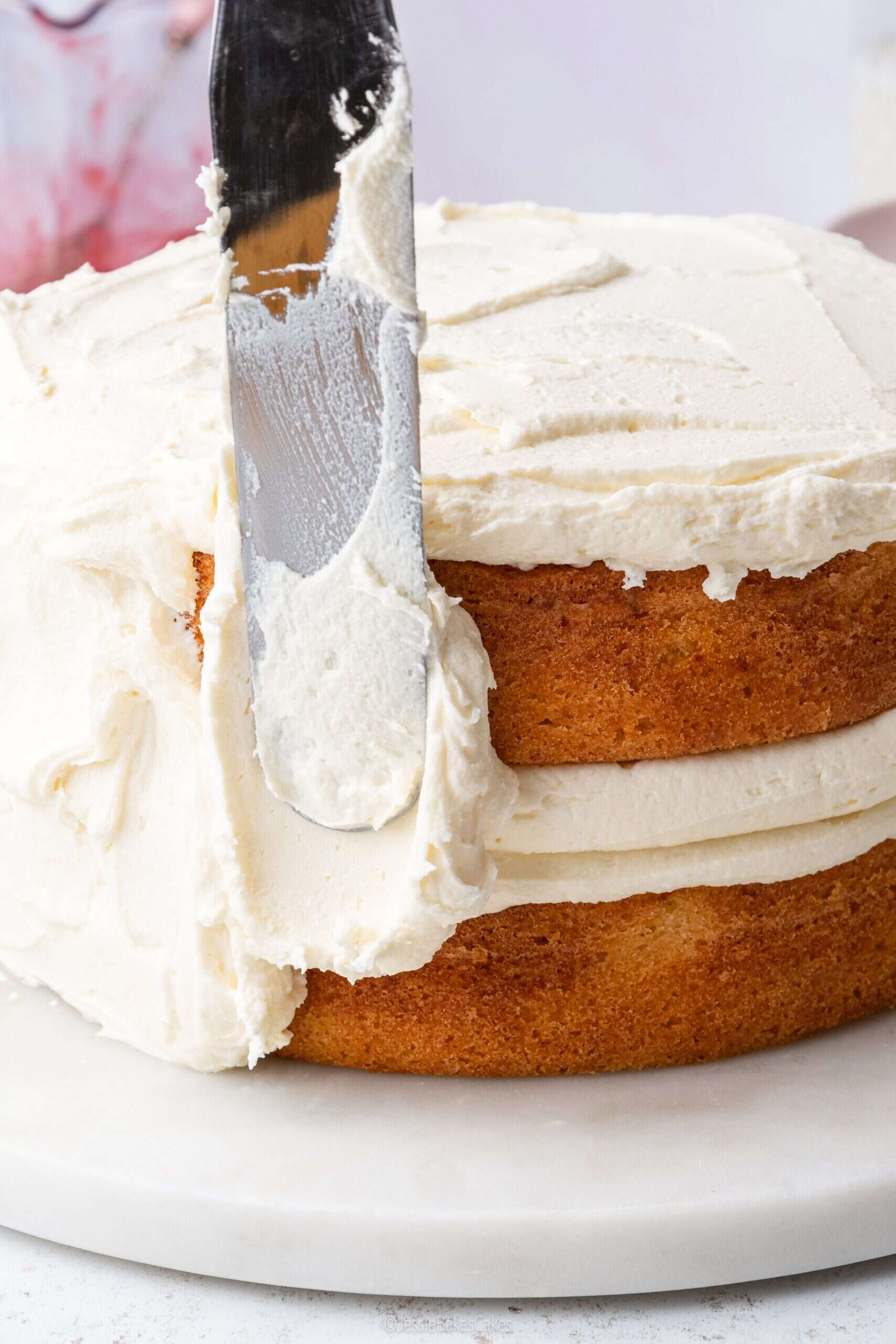
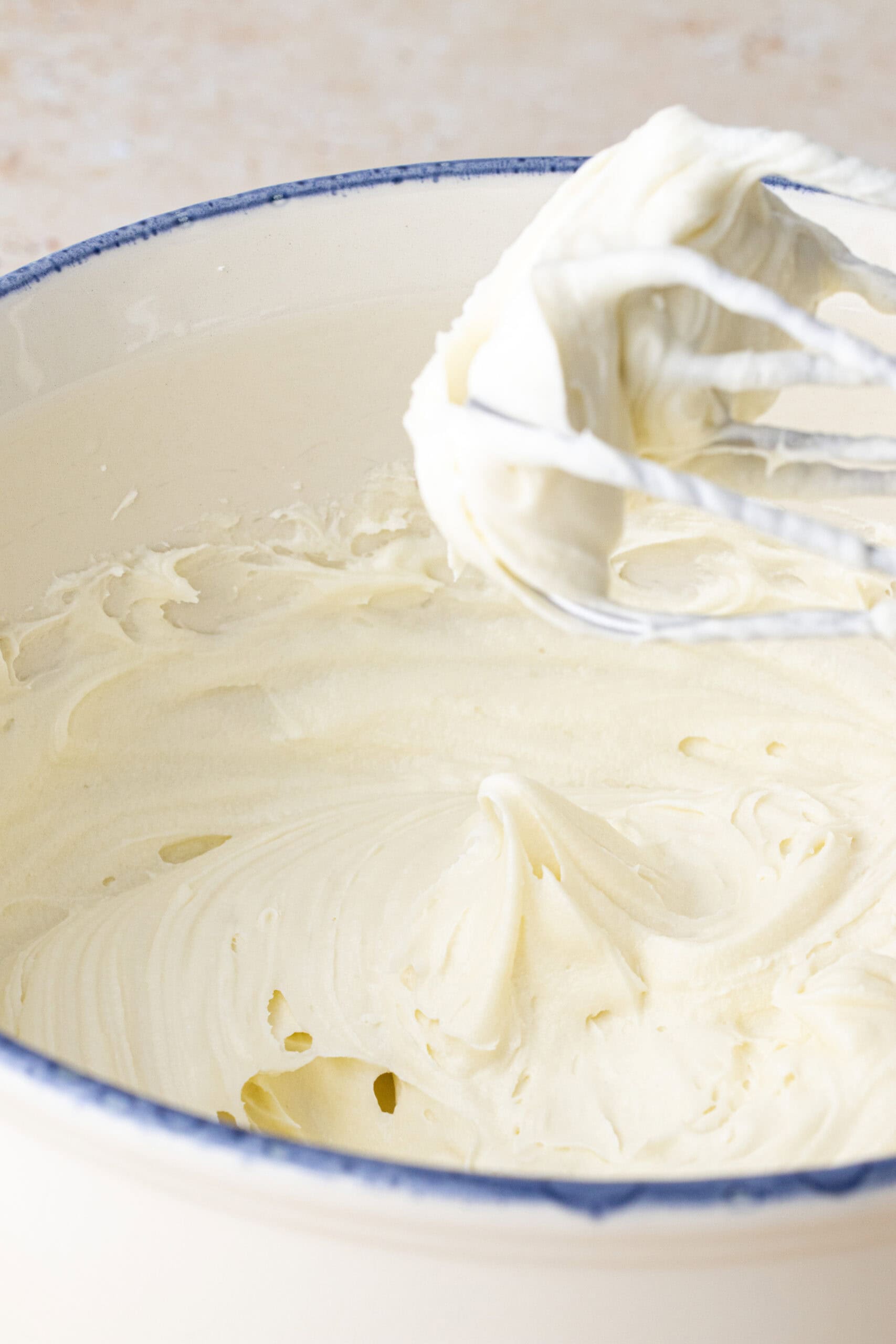
Buttercream should be soft, smooth and easy to work with. It should spread easily over a cake without tearing the sponge and hold its shape when piped. If it feels stiff or hard, it needs loosening. If it’s sliding off your sponge, it’s a little too soft and needs thickening or chilling. We’ll cover this in more detail further down.
Basic Buttercream Ingredients
To make classic buttercream you only need a few simple ingredients:
- Unsalted butter – Softened to room temperature but not melted. This is key for a smooth and creamy texture. For buttercream, it’s important to use real, proper butter for the best flavour and correct consistency – not margarine, low-fat alternatives or baking spread.
- Icing sugar – Adds sweetness and structure. My preference is Silver Spoon Icing Sugar for its pre-sifted fine powdery consistency. It melts into the butter like a dream!
- Milk or double cream – Helps loosen the buttercream to a spreadable consistency.
- Vanilla extract (optional) – Most ‘plain’ buttercream recipes use vanilla extract for added flavour. It’s not essential, but it does give it a boost!
- Pinch of salt (optional) – Helps cut through the sweetness and makes the buttercream taste even more delicious.
Must-Have Tools for Buttercream
Good tools really do make buttercream easier to work with, especially when decorating. These are the tools I use again and again when making buttercream:
- Electric hand mixer or stand mixer – Makes creaming the butter quick and effortless.
- Mixing bowl – Large enough to avoid icing sugar clouds everywhere.
- Electric kitchen scales – Provide accurate ingredient measurements for the best results.
- Silicone spatulas – Helps scrape down the bowl so everything mixes evenly.
- Measuring spoons – For accurate measurements of key buttercream ingredients e.g. vanilla extract, salt etc.
- Sieve – Helps remove lumps from icing sugar for an extra-smooth finish.
- Offset palette knife – Ideal for spreading and smoothing buttercream on cakes.
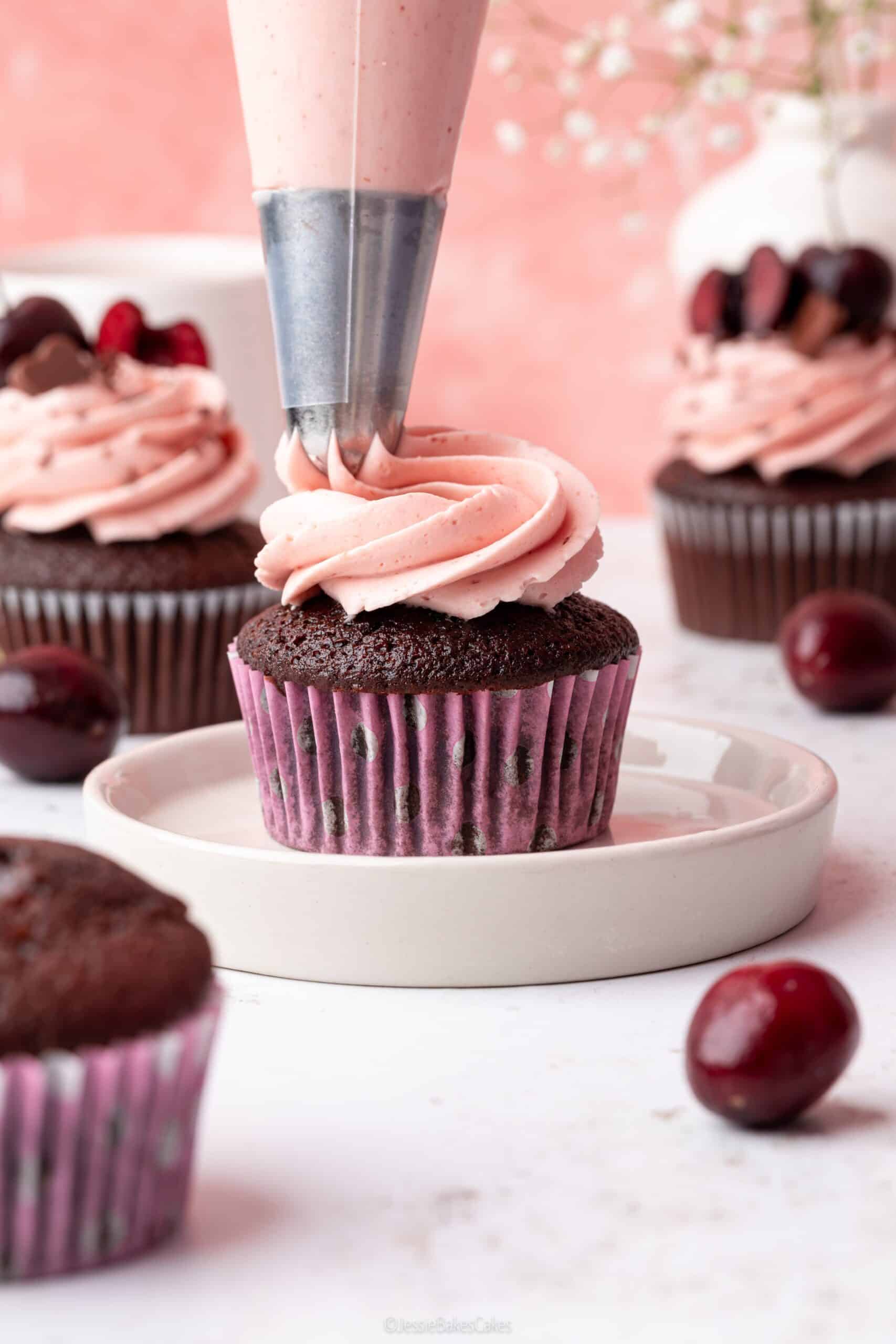
- Piping bags and nozzle set – Essential if you want to pipe swirls, borders or decorations.
How to Make Buttercream (Step-by-Step Recipe)
Buttercream Recipe
Rate this Recipe
Print Pin Rate this RecipeIngredients
- 250 grams Unsalted butter soft at room temperature
- 450 grams Icing sugar
- 2 tablespoons Milk or cream
- 1 teaspoon Vanilla extract optional
- Pinch Salt optional
Instructions
- Add the softened butter to a large bowl and beat with an electric mixer (or silicone spatula) for 3–5 minutes, until pale, smooth, and fluffy. This step is important. The longer you beat the butter, the lighter your buttercream will be.250 grams Unsalted butter
- Sift in the icing sugar in two stages, mixing slowly in between with a silicone spatula to avoid a messy sugar cloud. Scrape down the bowl as you go.450 grams Icing sugar
- Add the milk (or cream), vanilla extract and salt if using, then beat with your electric mixer (or silicone spatula) until the buttercream is combined and smooth.2 tablespoons Milk, 1 teaspoon Vanilla extract, Pinch Salt
- Check the consistency: If the buttercream feels too stiff, add a splash of milk. If it’s too soft, add a tablespoon more icing sugar.
- Remove the air bubbles: After all that mixing, it's normal for the buttercream to contain lots of little air pockets and bubbles. To remove them, use your silicone spatula to smooth and spread the buttercream around the side of the bowl in a circular motion. If you listen closely, you'll hear the little bubbles pop. After about 5 minutes, your buttercream should look completely smooth and have a light, creamy consistency.
How Do You Make Buttercream White?
If you’ve ever wondered why your buttercream looks slightly yellow rather than bright white, you’re not doing anything wrong – it’s completely normal! Buttercream naturally has a creamy tint, and a few different things can affect just how yellow it turns out:
The type of butter matters
The colour of your butter makes a big difference to the final colour of your buttercream. Some butters have a naturally deeper yellow colour, which will carry straight through into the icing. Brands like Kerrygold or Anchor tend to be more yellow, while butters such as Lurpak can help give you a paler base to start with.
Don’t skip beating the butter
This step really matters. Beating the butter on its own for at least 3–5 minutes helps incorporate air, which lightens both the texture and the colour. The butter will turn noticeably paler and creamier before you even add the icing sugar.
How to whiten buttercream with food colouring
If your buttercream still isn’t as white as you’d like, food colouring can help and there are two options:
Option 1: White food colouring
You can use white food colouring in gel, oil or powder form to brighten buttercream. It works by neutralising yellow tones rather than adding colour. That said, you often need to use quite a lot before you see a noticeable difference, so don’t be surprised if it takes more than expected.
Option 2: A tiny touch of purple colouring
This trick takes you right back to school art lessons. Adding the tiniest amount of purple food colouring will neutralise yellow tones and make the buttercream whiter. Be very cautious with this method — too much purple will quickly turn your buttercream grey-ish. The best approach is to dip a toothpick into the colouring, add a small dab, mix well and assess. You can always add more, but you can’t take it away.
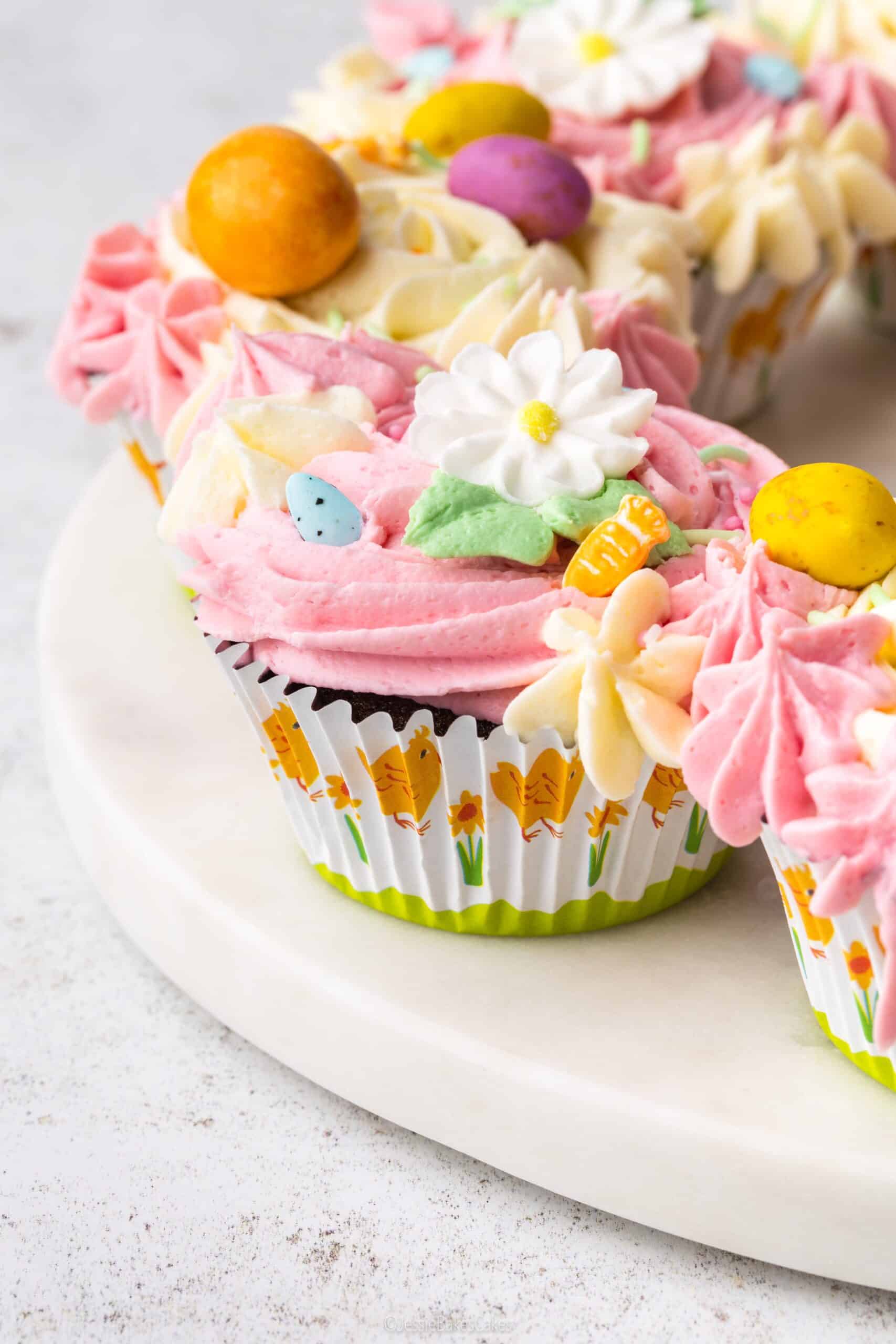
The Best Way to Colour Buttercream (Gel vs Oil Food Colouring)
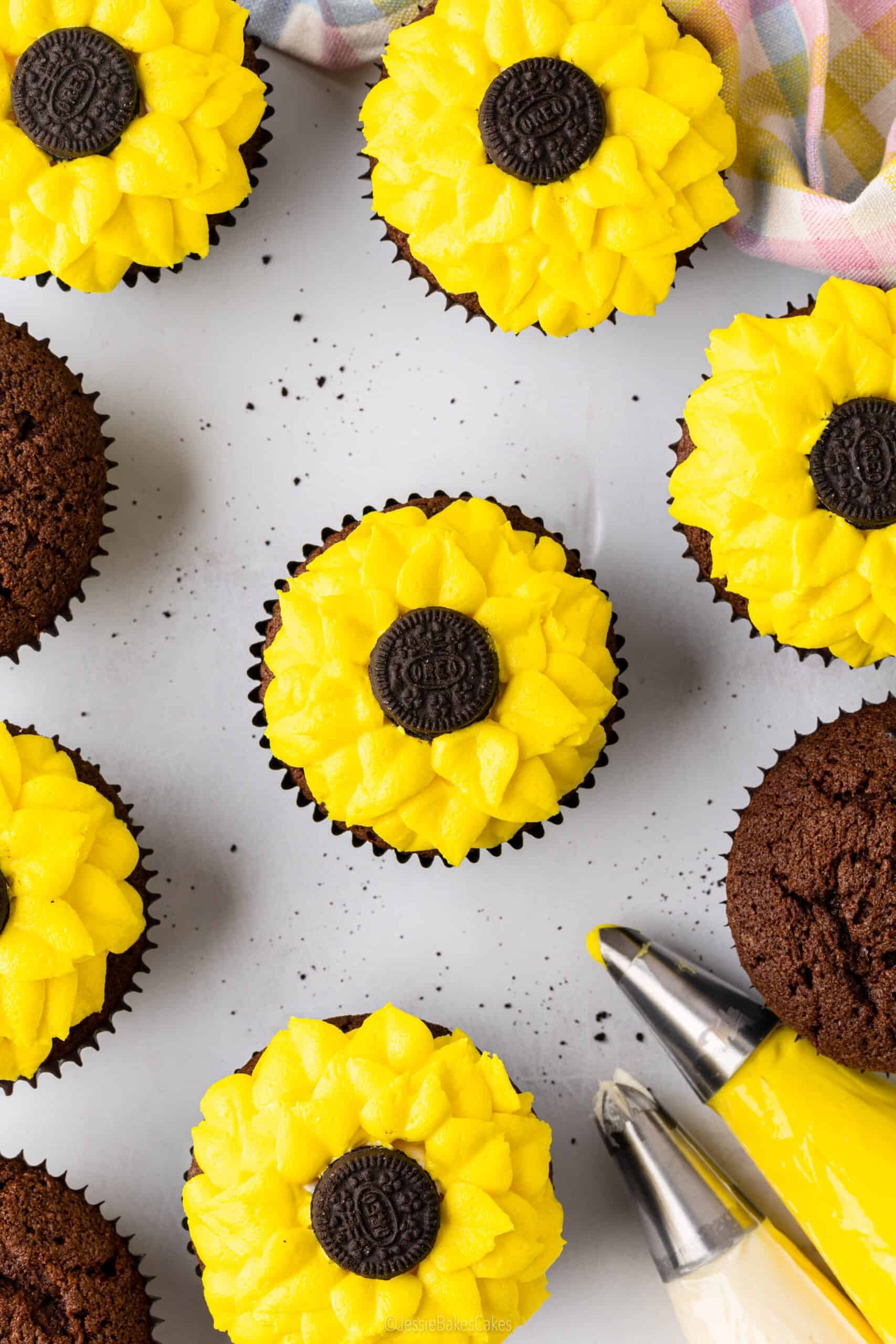
When it comes to colouring buttercream, the type of food colouring you use really matters. The wrong one can affect the texture, while the right one gives you strong, vibrant colour that pops!
Gel food colouring
Gel food colouring is my go-to for buttercream. It’s highly concentrated, so you only need a small amount to get a vibrant colour, and it won’t thin the buttercream or make it runny. The colour intensity will also build in time, so sometimes it’s best to stop mixing, go make a cup of tea and then come back and check the colour.
Oil-based food colouring
Oil-based food colouring works best when you’re colouring chocolate buttercream, as water-based colourings can cause chocolate to seize. It blends smoothly into fat-based mixtures and gives an even colour without affecting the texture.
What to avoid
Liquid food colouring from the supermarket tends to be less concentrated and can make buttercream too soft because you have to add a lot to get a strong colour. If you can, stick with gels or oil-based colourings for the best results.
Buttercream Flavours to Try
Once you’ve learnt how to make my basic buttercream recipe, use the guide below to experiment with different flavours. All flavours are based on tweaking my vanilla buttercream recipe above.
| Buttercream Flavourings | What To Add | Recipe Tweaks |
|---|---|---|
| Vanilla (boosted) | ½–1 tsp extra vanilla or vanilla bean paste | None |
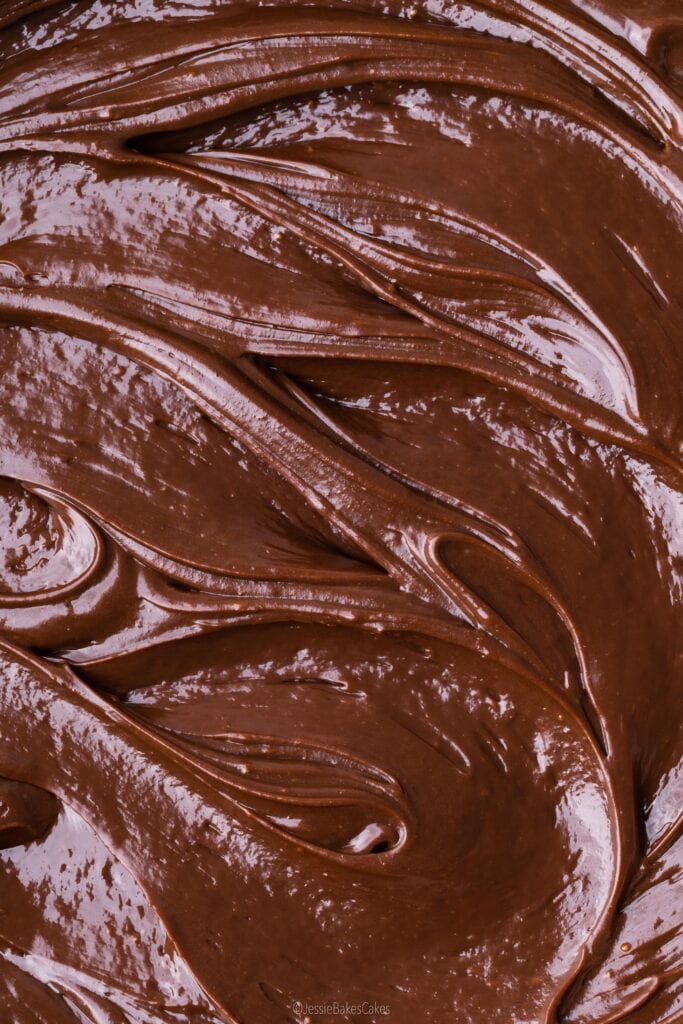
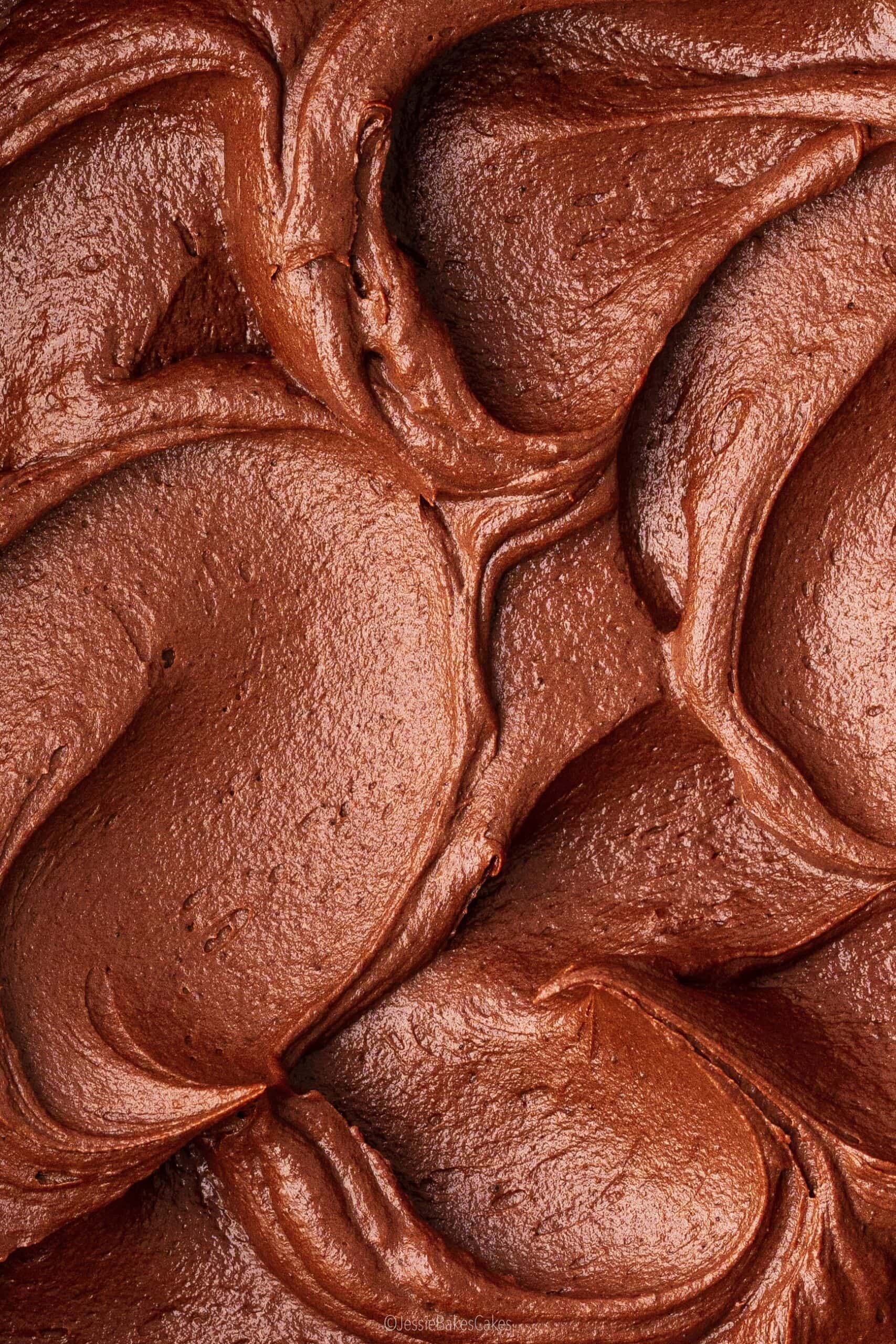
| Chocolate (melted) | 150g melted dark or milk chocolate (cooled) | Reduce milk to 1 tbsp |
| Chocolate (cocoa) | 50g cocoa powder, sifted | Increase milk to 3 tbsp Add 1 teaspoon boiling water |
| Cream Cheese Frosting | 250g full-fat cream cheese (e.g. Philadelphia Original) – use cold and mix in at the end. | None |
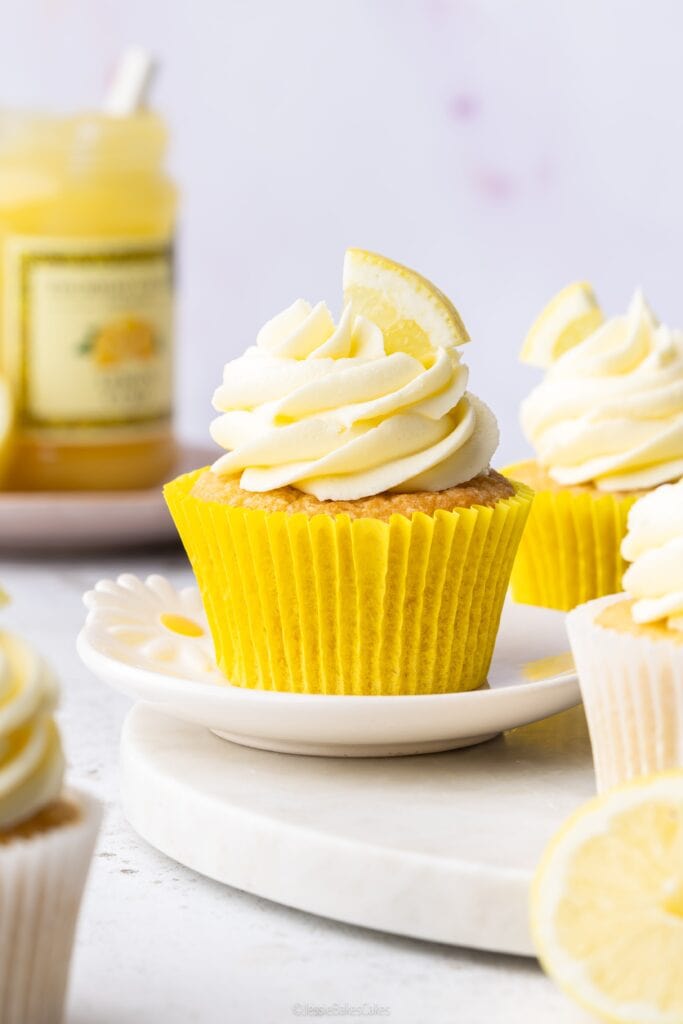
| Lemon | Zest of 1 lemon + 1–2 tbsp lemon juice | Reduce milk to 1 tbsp |
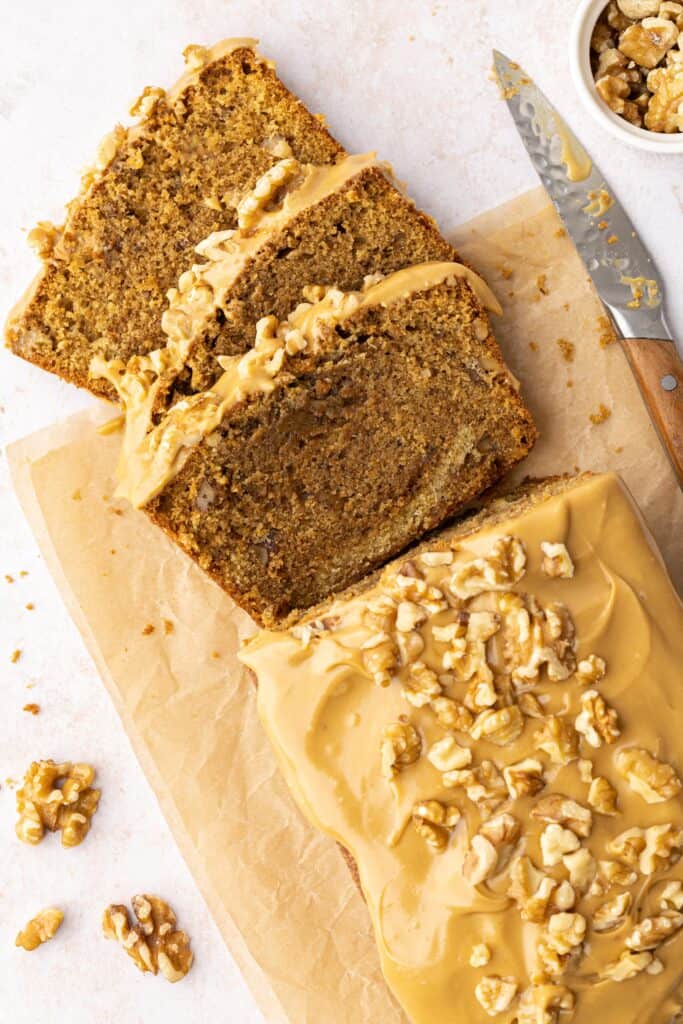
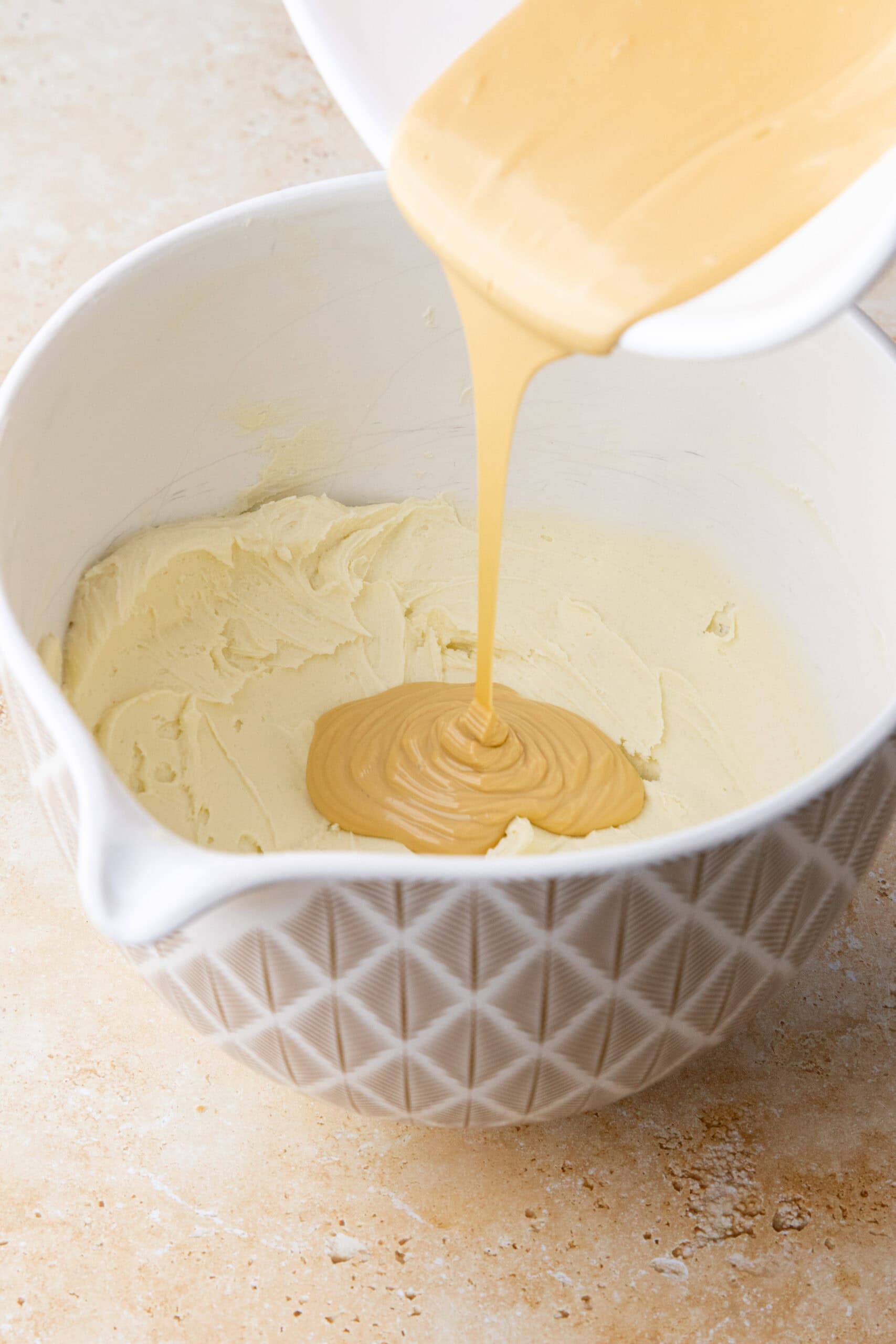
| Salted caramel | 100–150g thick caramel sauce + extra pinch of salt | Reduce milk to 1 tbsp |
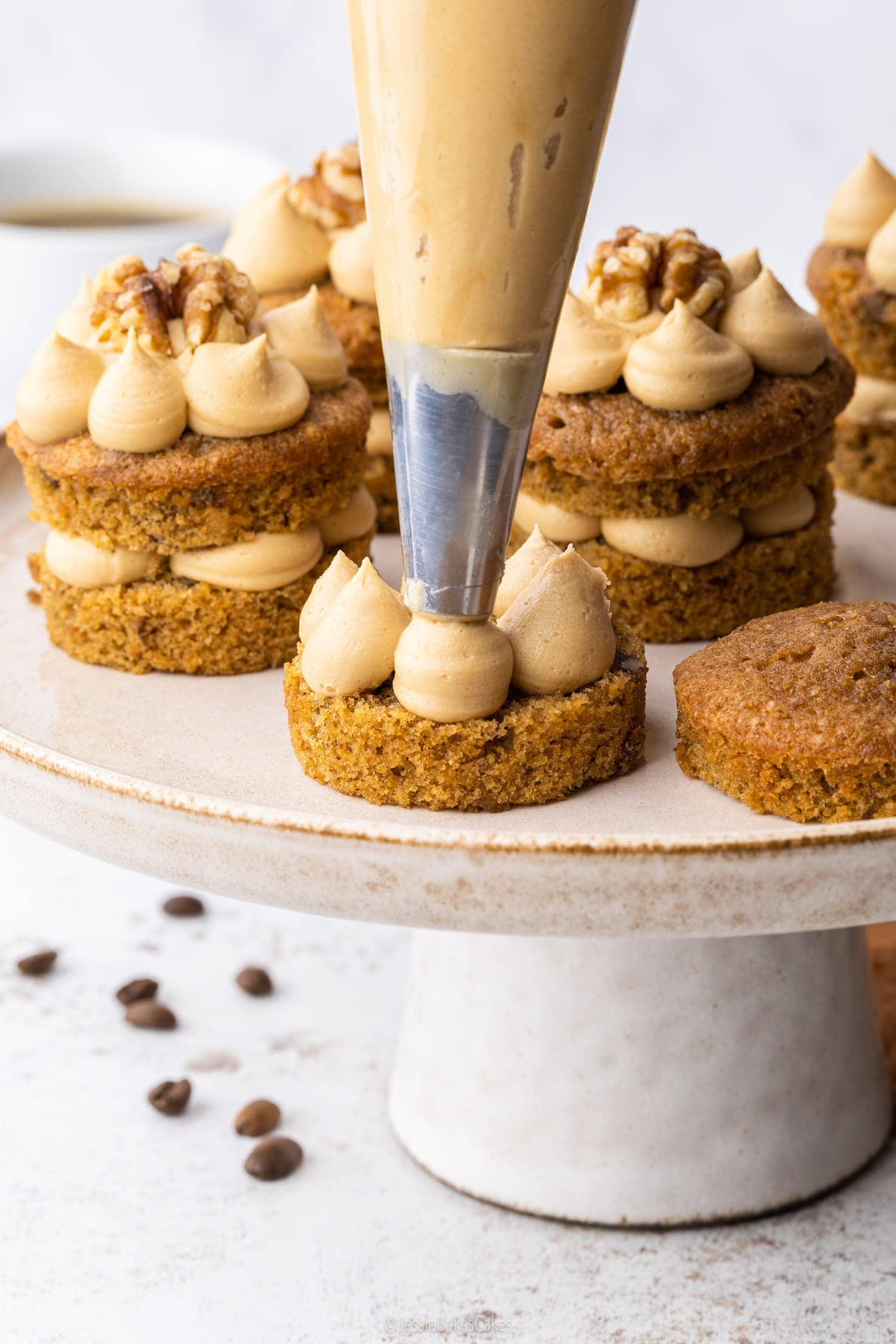
| Coffee | 2 tsp instant coffee dissolved in 1 tbsp hot water (cooled) | Reduce milk to 1 tbsp |
| Nutella / chocolate spread | 150g Nutella or similar | Reduce butter to 200g, milk to 1 tbsp |
| Peanut butter | 100–150g smooth peanut butter | Reduce butter to 200g |
| Orange | Zest of 1 orange + 1–2 tbsp orange juice | Reduce milk to 1 tbsp |
| Raspberry or strawberry | 20–30g freeze-dried raspberry/strawberry powder | Increase milk to 3 tbsp |
Buttercream FAQs: Common Problems & Easy Fixes
Beat the butter really well before adding icing sugar, always sift the sugar, and knock out the air bubbles using the smoothing technique with your spatula.
This usually happens if the butter is too cold or the icing sugar hasn’t fully dissolved. Let it warm slightly and beat for longer until smooth again.
Buttercream can split if the butter is too warm, liquid is added too quickly, or it’s been overmixed.
Chill it briefly, then re-beat slowly until it comes back together.
Runny buttercream is often caused by very soft butter, too much liquid or a warm kitchen. Chill it for 10–15 minutes or add more icing sugar gradually.
Add more sifted icing sugar a tablespoon at a time or chill briefly before re-beating. Avoid adding too much sugar at once, or it can become overly sweet.
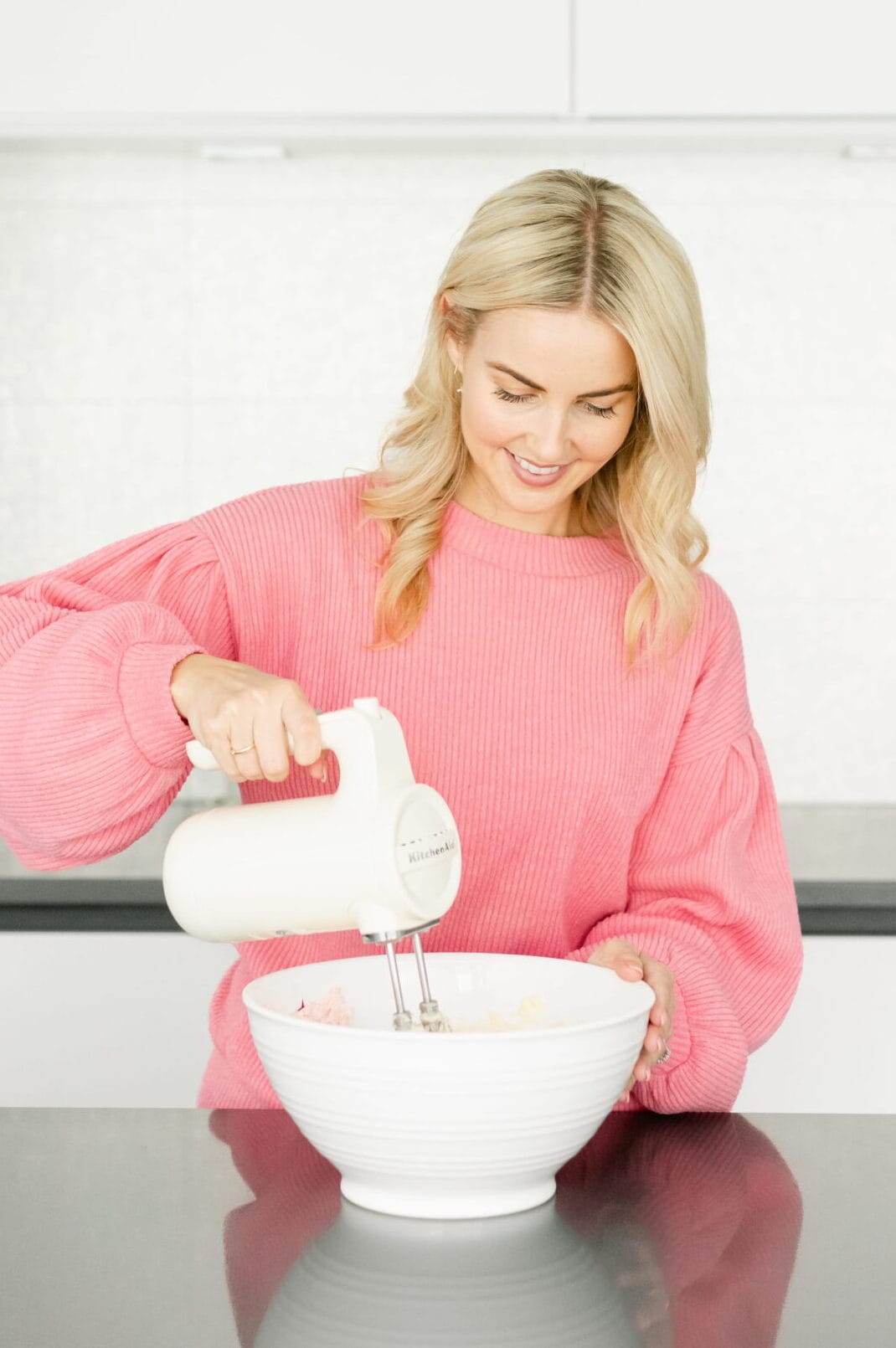
Now you know how to make the best buttercream!
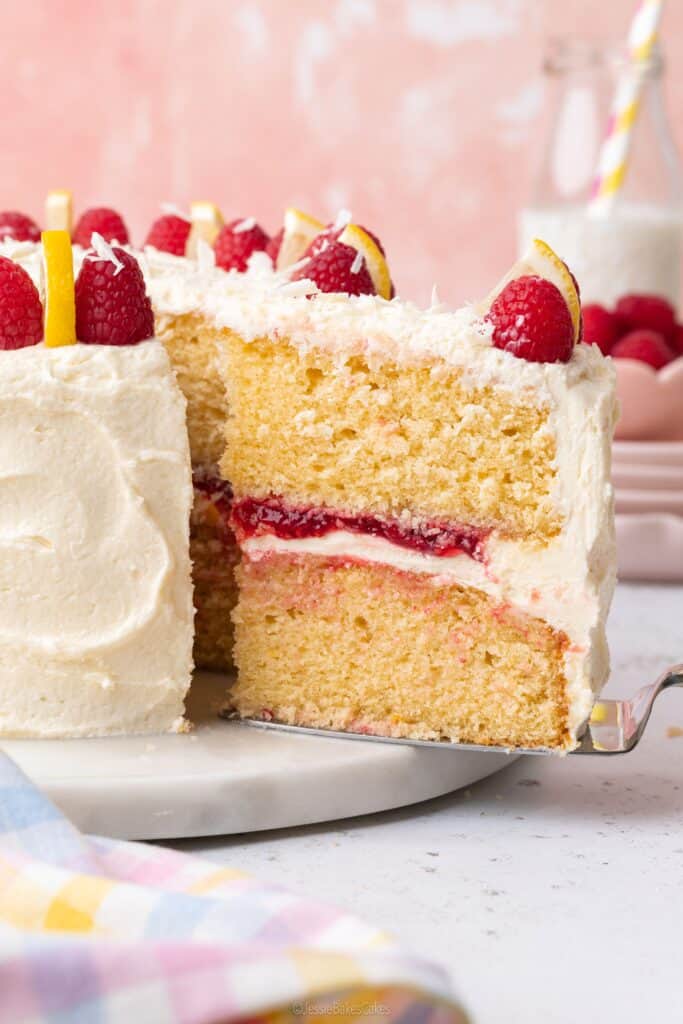
I hope you found this guide helpful! Buttercream might be simple, but once you feel confident making it, it opens up so many baking possibilities. And if you’re ready to put your new baking skills to use, have a browse through these recipes for plenty of buttercream inspiration. Happy baking 💛