Baking Substitutions: Easy Ingredient Swaps
By Jessie
Updated: April 20, 2026
Rate This Recipe
By: Jessie
Updated: April 20, 2026
Rate This Recipe:
Whether you’ve run out of an ingredient halfway through baking, can’t find an ingredient in your country, or need to adapt a recipe due to allergies or intolerances, baking substitutions can be a real lifesaver.
Many baking substitutions work brilliantly – as long as you understand what the ingredient actually does in the recipe. This guide covers the most common ingredient swaps I get asked about, plus a terminology breakdown for bakers around the world.
Important Things to Remember About Baking Substitutions
I know it sounds cliché, but before swapping ingredients, please keep in mind that baking is a science. All of my recipes have been developed, tried, and tested with specific ingredients and measurements – one small change could make or break your bake!
And so, although it is possible to make ingredient swaps, be mindful that the recipe may not turn out exactly like the photographs. Baking times may differ, the texture might be slightly different, and the flavour could be affected depending on the ingredient swap.
Try to swap only one ingredient at a time, and measure ingredients accurately by weight (not cups or by eye) where possible. Digital kitchen scales are ideal for this, and for me, they are a must-have gadget for baking.
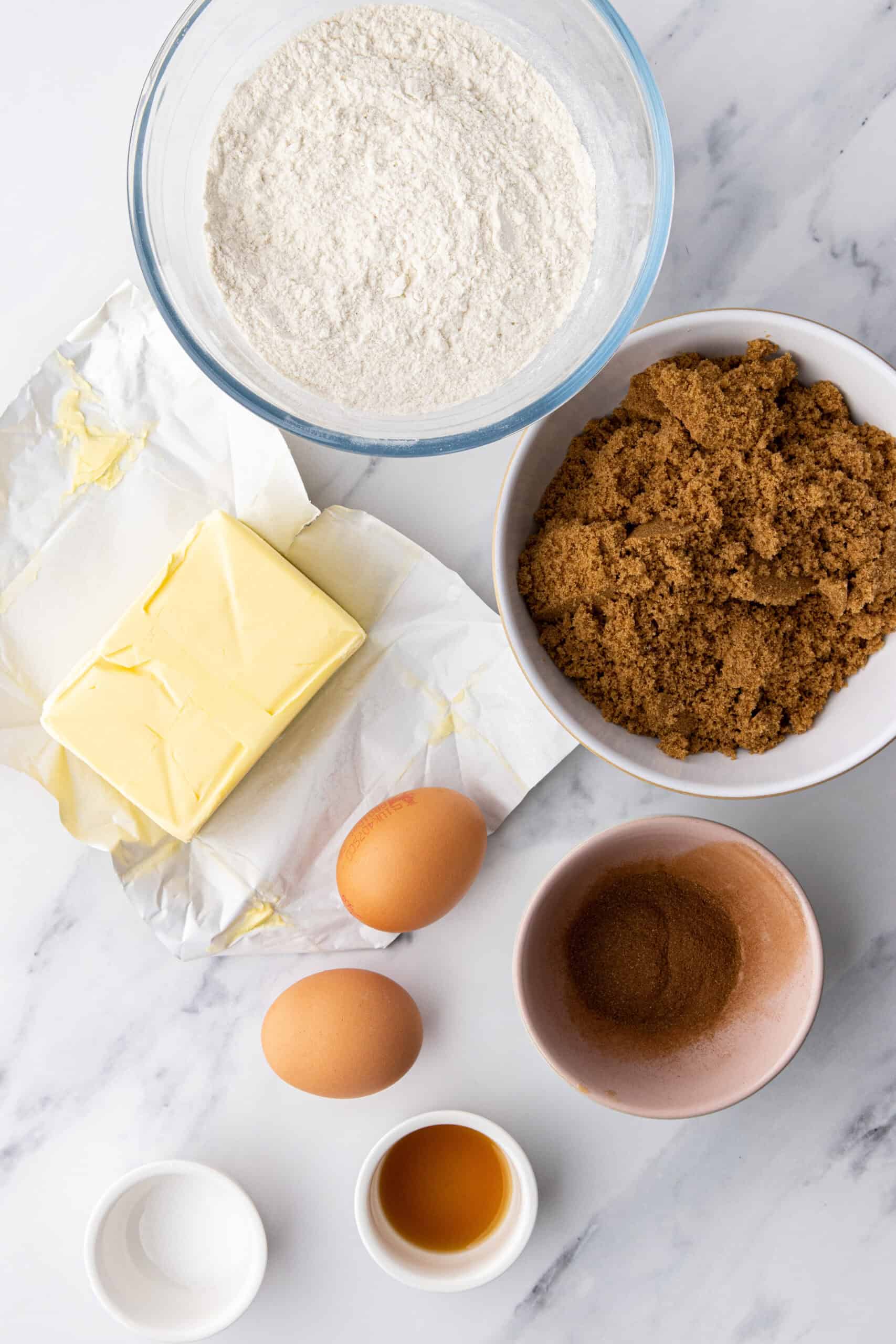
How To Substitute Eggs in Baking
Eggs are one of the trickiest ingredients to substitute because they do several jobs:
- Bind ingredients together
- Add moisture
- Provide structure
- Help cakes rise
Egg baking substitutions work best in recipes using 1–2 eggs. Once a recipe relies heavily on eggs (3 or more), results become much less predictable and texture may change significantly. The best baking substitution depends on what you need the egg to do. Use the table below to help:
| Purpose in Recipe | Baking Substitution (Per 1 medium egg) | Best For | Notes |
|---|---|---|---|
| Binding | 1 tbsp ground flaxseed + 3 tbsp water (leave 10 mins to thicken) | Cookies, brownies, biscuits | Creates a gel-like texture that mimics egg binding |
| Binding | 1 tbsp chia seeds + 3 tbsp water (leave 5 mins to thicken) | Cookies, brownies | Similar to flaxseed, slightly more texture |
| Binding | 60g (¼ cup) Greek yoghurt | Cookies, dense cakes | Adds protein and moisture |
| Binding | 60g (¼ cup) mashed banana | Brownies, loaf cakes | Adds sweetness and flavour |
| Moisture | 60g (¼ cup) natural yoghurt | Cakes, muffins | Produces a soft, slightly tender crumb |
| Moisture | 60g (¼ cup) buttermilk | Cakes, muffins | Adds light tang and softness |
| Moisture | 60g (¼ cup) applesauce | Cakes, muffins | Slightly sweet, may soften structure |
| Lift/rise | 1 tsp baking powder + 1 tbsp oil + 2 tbsp water | Simple sponge cakes | Won’t replicate eggs exactly but gives reasonable rise |
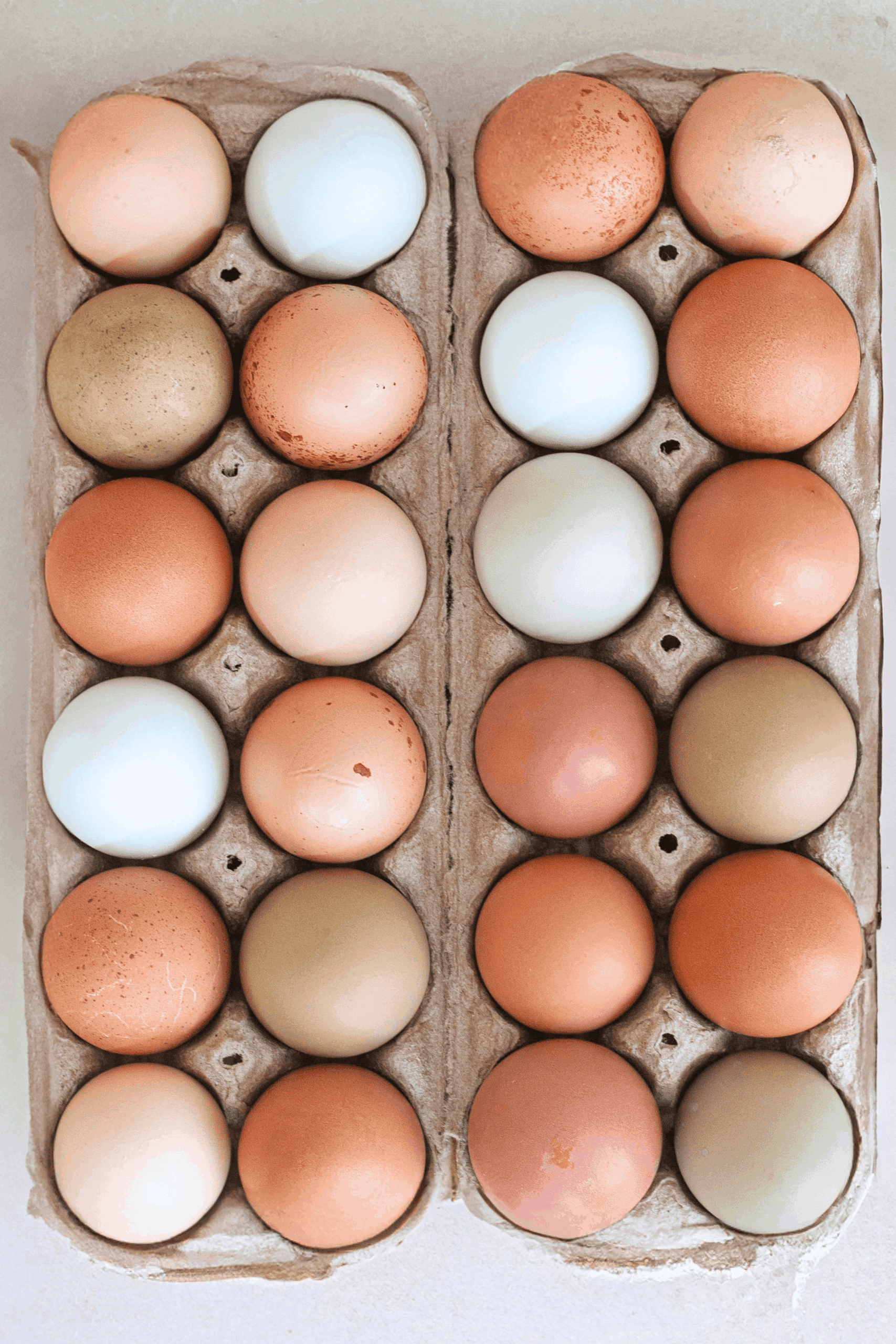
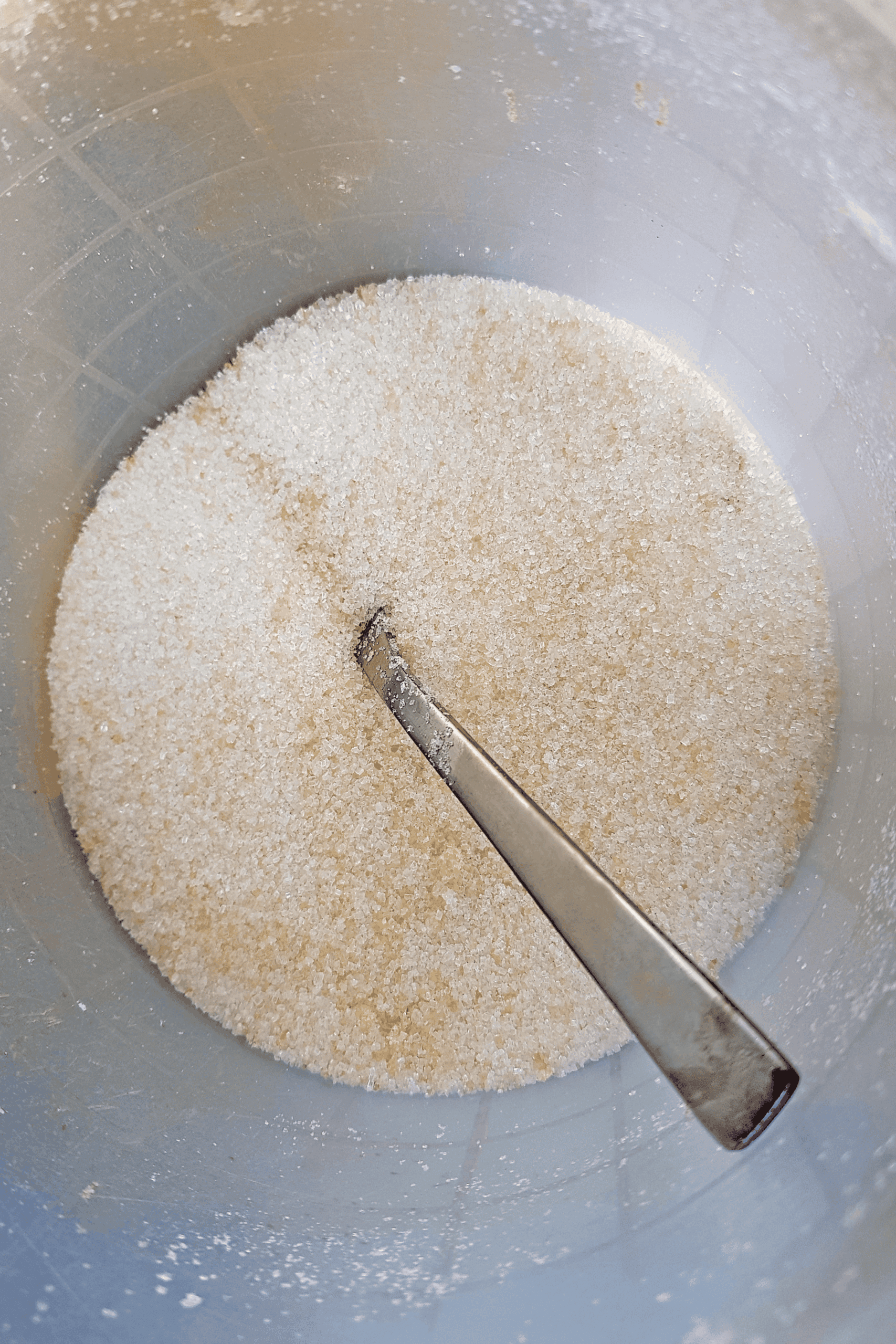
How To Substitute Caster Sugar
Caster sugar is an everyday baking ingredient here in the UK — it’s what most of us naturally reach for when baking. But it’s also one of the most common baking substitutions questions I get asked, because it simply doesn’t exist as “caster sugar” in many other countries.
In the US, for example, it’s usually called superfine sugar. In other places, only granulated sugar is available, which is slightly coarser. The difference might seem small, but it can affect how quickly the sugar dissolves and how light your cake turns out. If you can’t find caster sugar, here’s what to use instead:
- Granulated sugar – The easiest baking substitution. Use the same weight measurement. You can pulse it in a food processor to make it finer so it dissolves more easily.
- Light brown sugar – Use equal weight, but expect a darker colour, slightly denser texture, and light caramel flavour. Brilliant in cookies, brownies and dense cakes.
- Golden caster sugar – A great like-for-like substitute. It behaves the same way as white caster sugar but adds a subtle caramel flavour and slightly warmer colour.
- Powdered sugar /Icing sugar? – Not recommended as a direct substitute. It contains anti-caking agents and behaves differently when creamed with butter, which can affect texture.
Substitute for Self-raising flour
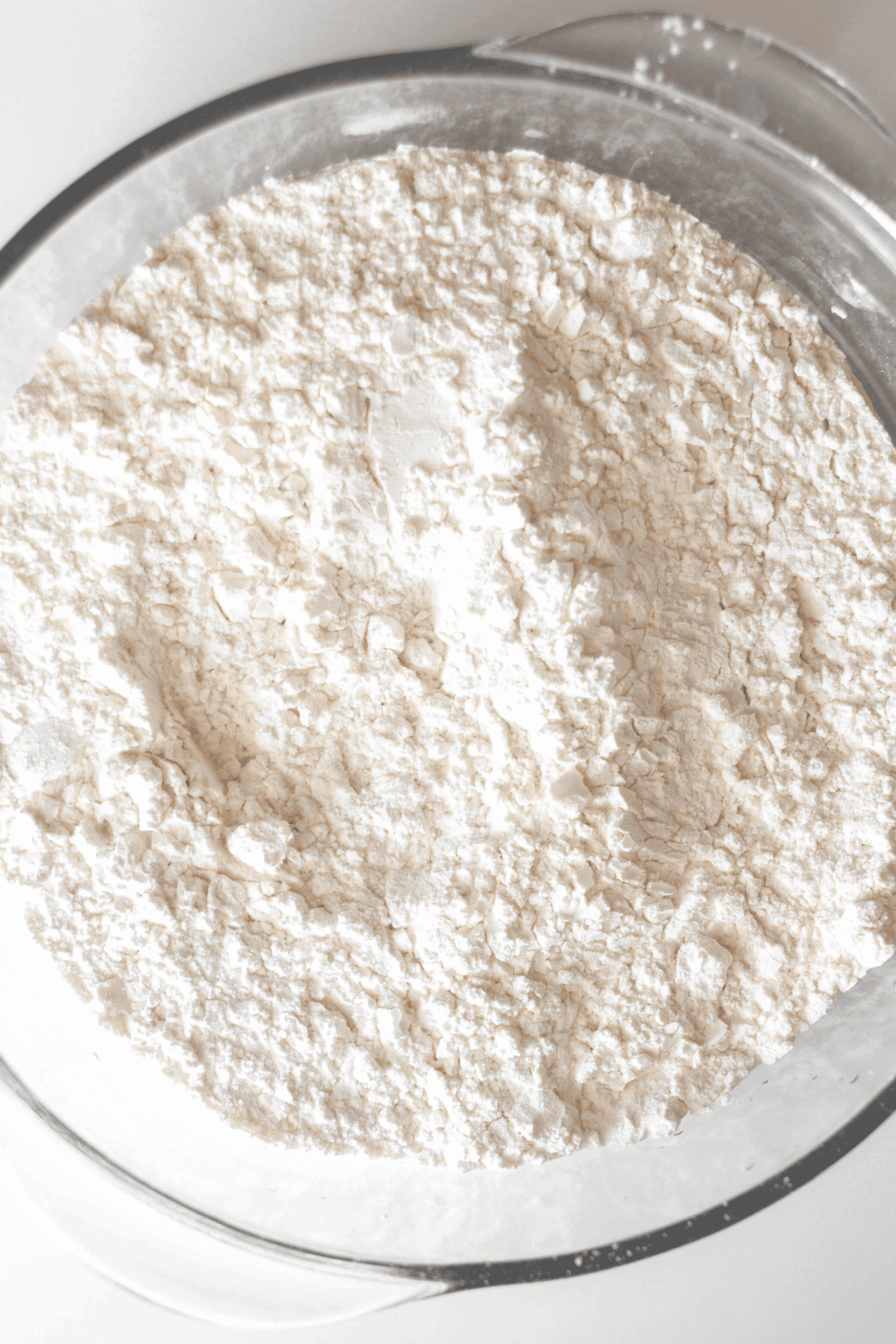
“What is self-raising flour?” – This is a common question I’m asked time and time again. Self-raising flour is a low-protein plain flour with baking powder (and sometimes salt) added to it. The baking powder acts as a built-in raising agent for your bakes, making it the go-to flour for fluffy cakes, thick cookies, tall muffins and sky-high scones! I believe self-raising flour isn’t readily available in some countries, particularly in the US, where all-purpose flour (or AP flour) is most commonly used for baking. The good news is you can easily turn AP flour into self-raising flour, here’s how:
How to turn plain all-purpose plain flour into self-raising flour
For every 100g all-purpose plain flour, add 1 tsp baking powder. Whisk well to evenly distribute and then combine with the rest of the ingredients according to the recipe.
Baking Substitution For Oil
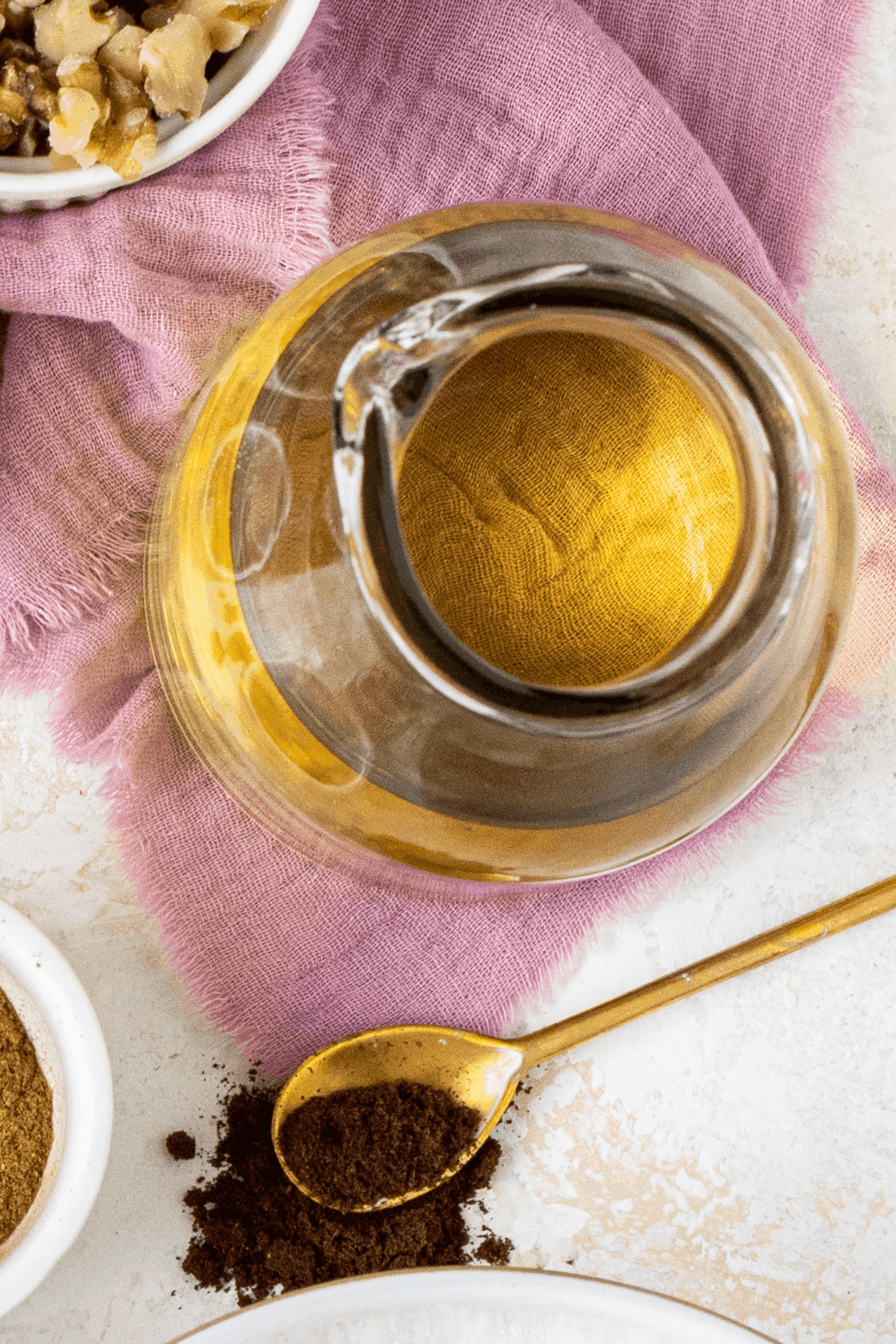
Oil is a popular ingredient to add moisture and keep sponge cakes softer for longer. I use it in place of butter in my Carrot Cake recipe, and in this Chocolate Matilda Cake. If you’re out of oil or need a substitution, give these swaps a try:
- Vegetable oil/Sunflower oil – Not a swap as such, but it’s worth mentioning that these two oils can be used interchangeably because they are very similar in flavour and texture.
- Melted butter – Use the same weight, but expect a slightly firmer texture, richer flavour, and slightly less moisture.
- Greek or natural yoghurt – Replace half the oil with yoghurt for a lighter texture. Example: If the recipe uses 100ml oil, try 50ml oil + 50g yoghurt.
- Buttermilk – Same as the above, replace half the oil with buttermilk. BAut expect a slightly less rich texture and a subtle tang.
Golden Syrup Substitution
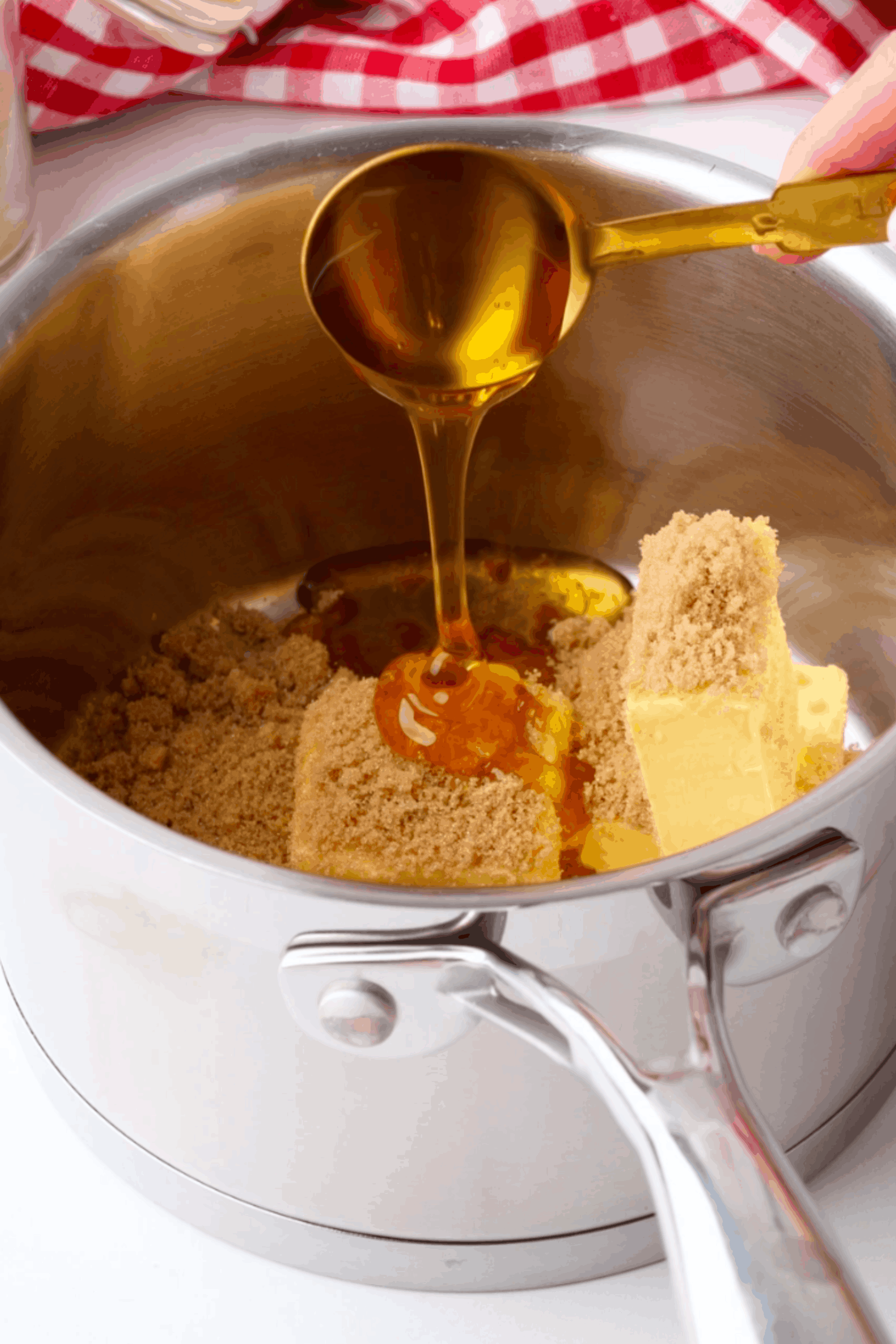
Golden syrup is one of those classic UK baking ingredients that we don’t think twice about. It’s in flapjacks, traybakes, biscuits and loads of traditional recipes like these Millionaires Shortbreads. But outside the UK, it can be surprisingly hard to find.
Golden syrup doesn’t just add sweetness. It adds moisture, prevents crystallisation, keeps bakes soft, and contributes to chewiness. So while substitutes work well, the flavour and texture may change slightly. If you need a golden syrup baking substitution, here’s what works best.
- Light or dark corn syrup – Swap 1:1. Light syrup is neutral in flavour; dark syrup adds a richer, slightly caramel taste, similar to golden syrup. Great for cookies, traybakes, and flapjacks.
- Honey – Swap 1:1. Adds moisture and chewiness, but will flavour your bake with a sweet honey note and may brown it slightly faster.
- Maple syrup – Swap 1:1. Thinner than golden syrup, with a clear maple flavour. Works best in bakes where the taste complements the recipe.
Baking Terminology Around the World
I’m lucky enough to have readers from all over the world baking my recipes, which means sometimes ingredient names can cause confusion. I thought I’d wrap up this post with this UK/US baking substitutions terminology guide, just in case you already have the ingredient you need without even realising!
| UK | US | Notes |
|---|---|---|
| Plain flour | All-purpose flour | Same product |
| Self-raising flour | Self-rising flour | Same product but US self-rising flour contains salt |
| Icing sugar | Powdered sugar / Confectioners’ sugar | Same ingredient |
| Caster sugar | Superfine sugar | US granulated is coarser |
| Cornflour | Cornstarch | Thickening agent |
| Golden syrup | Light/dark corn syrup | Not identical in flavour |
| Double cream | Heavy cream | Similar fat content that can be whipped to thicken |
| Bicarbonate of soda | Baking soda | Same ingredient |
| Baking powder | Baking powder | Same name, same function |

Final Thoughts on Baking Substitutions
Whether you’re baking for someone with allergies, adapting a recipe for dietary needs, or simply working with what’s in your cupboard, I hope this guide on reliable baking substitutions gives you more confidence in the kitchen!
And if you’re ever unsure whether a swap will work in one of my recipes, please leave a comment. I’m always happy to help 💛